When Burdens Go Unnamed
There are burdens people learn to carry quietly.
Not because they are small, but because naming them feels dangerous. In many places, silence is safer than honesty. Especially for women whose lives are shaped by expectation, survival, and responsibility long before anyone asks how they are doing.
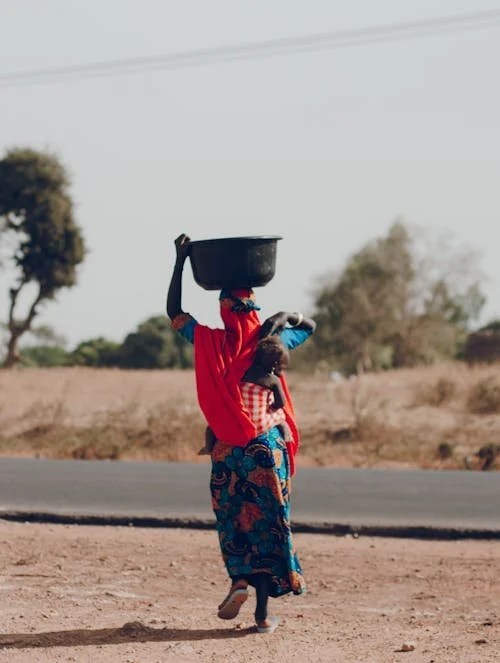
Across cultures, women often become experts at endurance. They manage households, raise children, support communities, and navigate loss, all while believing their struggles are simply part of the deal. Over time, that weight forms something deeper than fatigue. It shapes identity.
When burdens go unnamed, lies take root.
“I am not enough.”
“My voice doesn’t matter.”
“This is just how life is.”
These beliefs don’t disappear when someone comes to faith. Many believers continue walking with Jesus while quietly carrying false narratives about who they are and what God expects from them. The result is a Church filled with sincere followers who have never been fully activated.
Scripture tells a different story.
From the beginning, God names what He creates. He speaks purpose before performance and identity before obedience. When Jesus encounters people weighed down by life, He does not start with correction. He starts with invitation.
"He speaks purpose before performance and identity before obedience."
“Come to me, all who labor and are heavy laden, and I will give you rest.”
Matthew 11:28
Rest, in this sense, is not escape. It is clarity. It is the freedom to see yourself as God sees you.
In many parts of the world, discipleship moves too quickly past this moment. Programs replace presence. Information replaces formation. We assume people are ready to lead without ever asking what they are still carrying.
But transformation is rarely immediate. It is relational. It requires walking with people long enough for truth to surface.
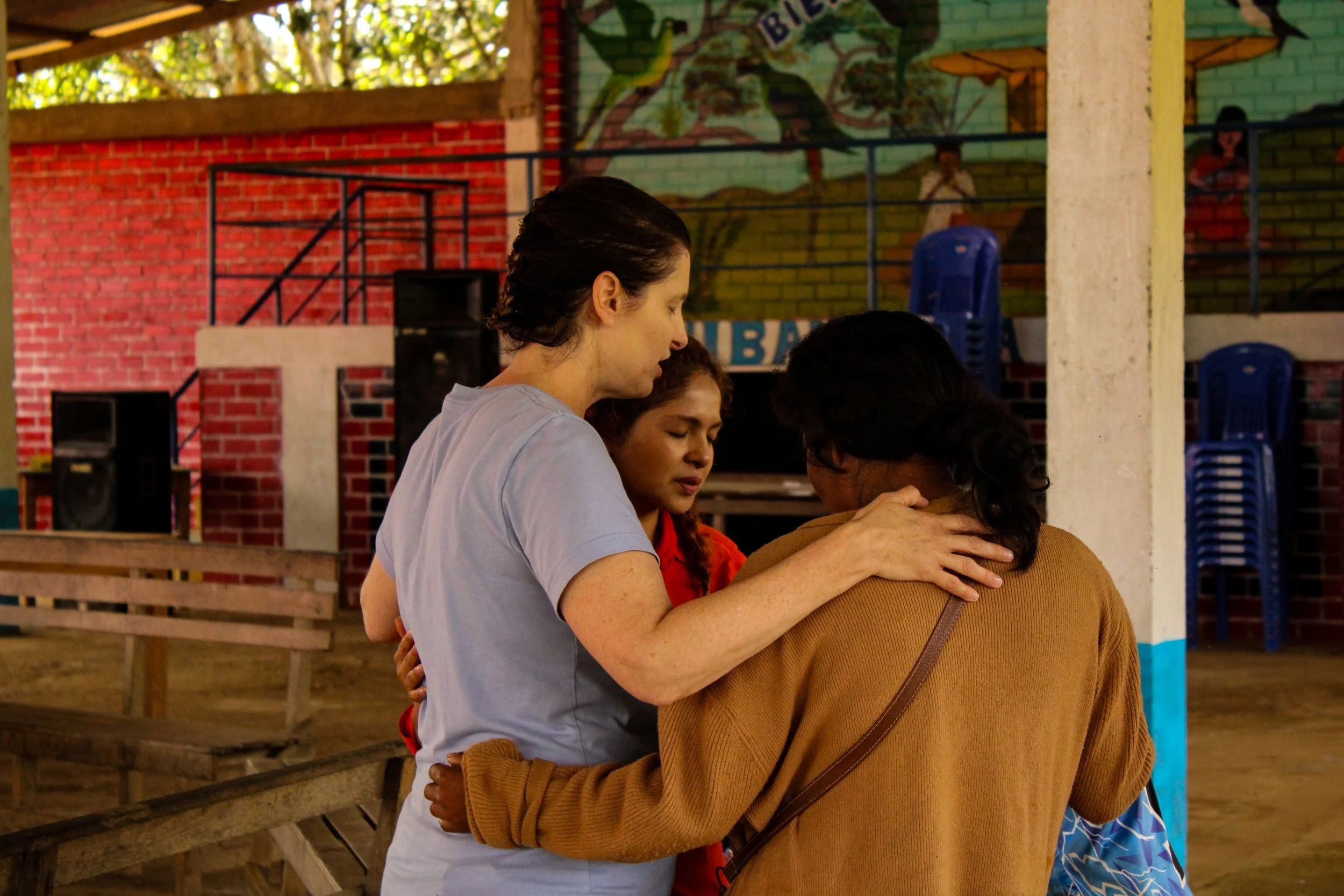
When women are given space to talk about their lives, something shifts. Conversations about health, family, and everyday struggles often become the doorway to deeper reflection. As trust grows, silence breaks. Shame loses its grip. And Truth has room to work.
This is not a Western strategy or a cultural export. It is how the gospel has always moved. Person to person. Household to household. Through relationships already in place.
Women, in particular, are often at the center of these relational networks. Their influence is quiet but wide-reaching. When they begin to see themselves as disciples who can make disciples, the Church grows naturally.
"When believers stop waiting to feel qualified and start trusting that God equips those He calls, multiplication becomes possible."
Not through events, but through obedience.
Not through outside leadership, but through local faithfulness.
Paul reminds the Church that God’s strength is revealed in weakness, not qualification.
“My grace is sufficient for you, for my power is made perfect in weakness.”
2 Corinthians 12:9
When believers stop waiting to feel qualified and start trusting that God equips those He calls, multiplication becomes possible. Families are discipled. Workplaces become mission fields. Communities encounter the gospel through people they already trust.
The mission is not stalled because God is absent.
It slows when His people believe they are.
The Church grows fastest where burdens are named, truth is spoken, and believers are equipped to walk with others the same way they were walked with.
This is slow work. It requires patience, humility, and staying longer than is comfortable. But it is holy work. And it is how the Church takes root where it has not yet grown.
If you want to explore stories and conversations about what it means to plant the Church where it isn’t, Edge of the Map is a place to begin listening.
Read more from the GO Blog: