Coffee, Yurts, and Christ
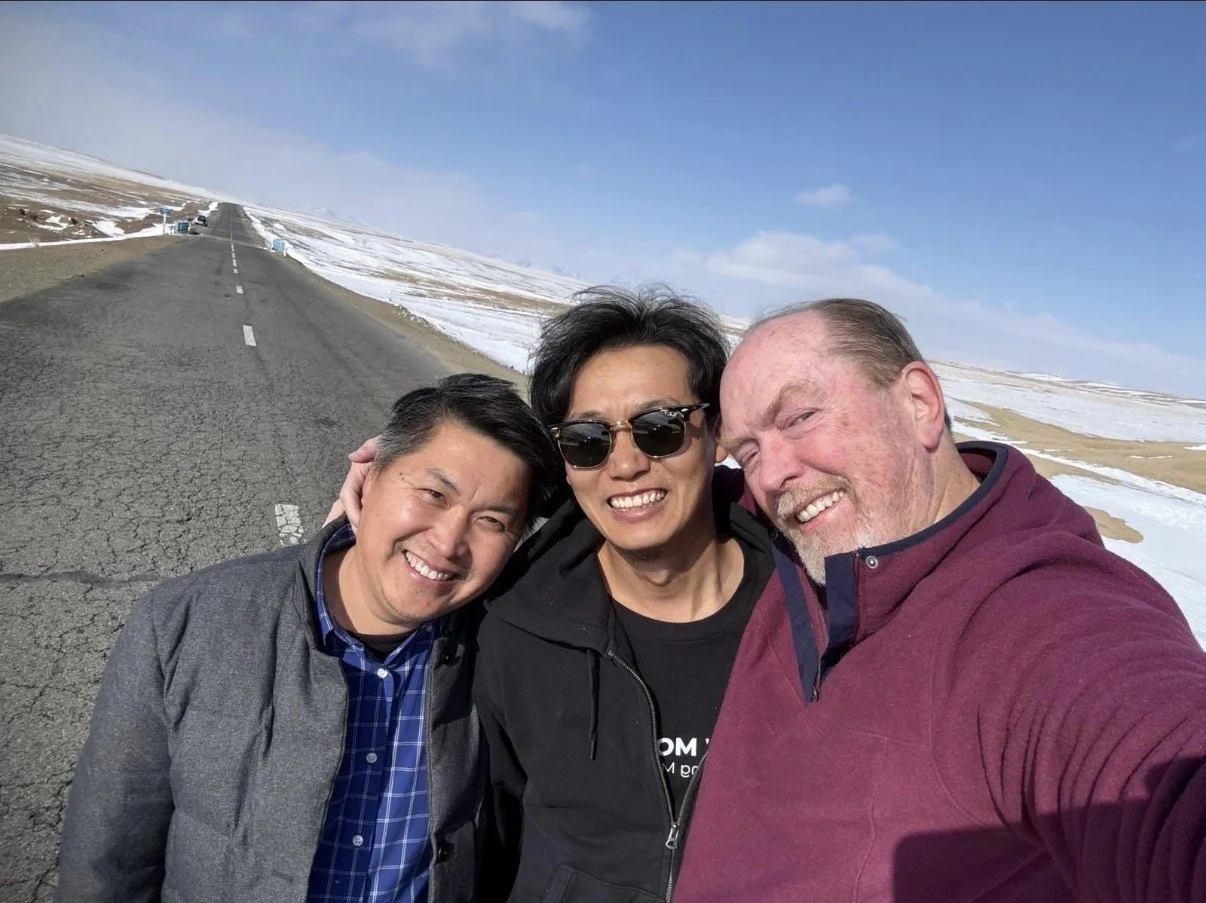
In episode 3 of Edge of the Map, Dr. Thane Ury dropped a definition of missions that stopped us in our tracks: “Missions is basically just us trying to catch up with what Yahweh has been doing for centuries.”
It’s a humbling thought. We often fly into new territories with the mindset of a pioneer breaking ground, but the reality is more like a gardener arriving at a plot where the seeds were planted long before we were born. In Mongolia, those seeds survived seventy years of state-enforced atheism and "gutted" institutions. But when the walls finally came down, the world didn’t find a spiritual vacuum; they found a hunger that no PowerPoint presentation could ever satisfy.
The Myth of the "Empty" Land
We often talk about the "10/40 Window" or "unreached people groups" as if they are blank slates. But as Thane pointed out, God’s heart has been "bleeding and aching" for these hamlets for millennia.
The frontier doesn't need our data; it needs our discipleship.
When a nation emerges from decades of silence—whether it’s Mongolia post-1991 or the subtle shifts we see in modern-day China—the temptation for the Western church is to arrive with a suitcase full of information. We bring the systems, the five-point strategies, and the high-octane theology slides.
But the frontier doesn't need our data; it needs our discipleship.
Why Programs Fail Where Presence Wins
There is a massive difference between proselytizing and discipling. One is a transaction; the other is a relationship. In the episode, Thane mentions a woman in a coffee shop who said they don’t need boatloads of information—they just need Christians to come and be with them.
"Tell us how you pray. Tell us the three rules for Bible study that actually changed your life. Drink coffee with us."
This is the "Wesleyan model" in its rawest form. John Wesley didn't just preach to crowds; he organized them into "bands" and "societies" because he knew that an emotional response without a relational anchor eventually drifts. In a country like Mongolia, where 60% of the population is under thirty, the "complaint switch" is off, but the "curiosity switch" is stuck in the on position. They aren't looking for a perfect lecture; they are looking for a life worth imitating.
The Geography of Influence
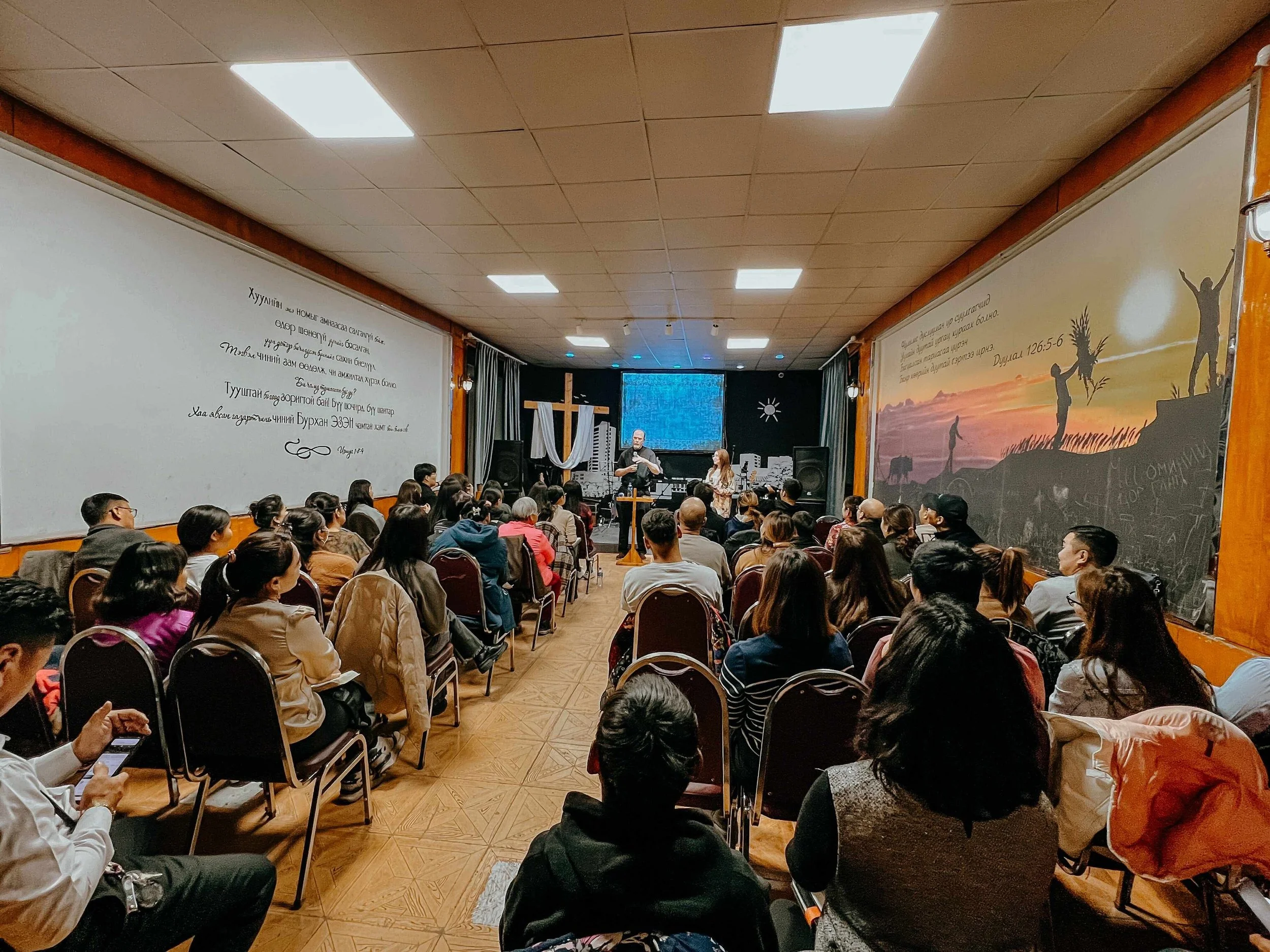
Thane touched on a fascinating "geographic" reality: Mongolia is landlocked between two giants, Russia and China. He called the borders "porous." In the world of missions, the most porous border isn't a line on a map—it’s the human heart.
When we invest in a first-generation believer in a "small" place, we aren't just helping one person. We are participating in a spiritual ecosystem. A 32-year-old being baptized in a yurt in Eastern Mongolia is a signal fire that can be seen across the border.
Catching Up to the Spirit
If we want to be effective in the "new" works God is doing, we have to adopt a posture of teachability. We aren't the heroes of the story; we are the latecomers to a conversation God has been having with Mongolia (and every other nation) since the beginning of time.
The next time you think about missions, put down the strategy manual and pick up a mug. The frontier isn't looking for our experts; it’s looking for our brothers and sisters.
Read more from the GO Blog: