When Revival Leads to Mission
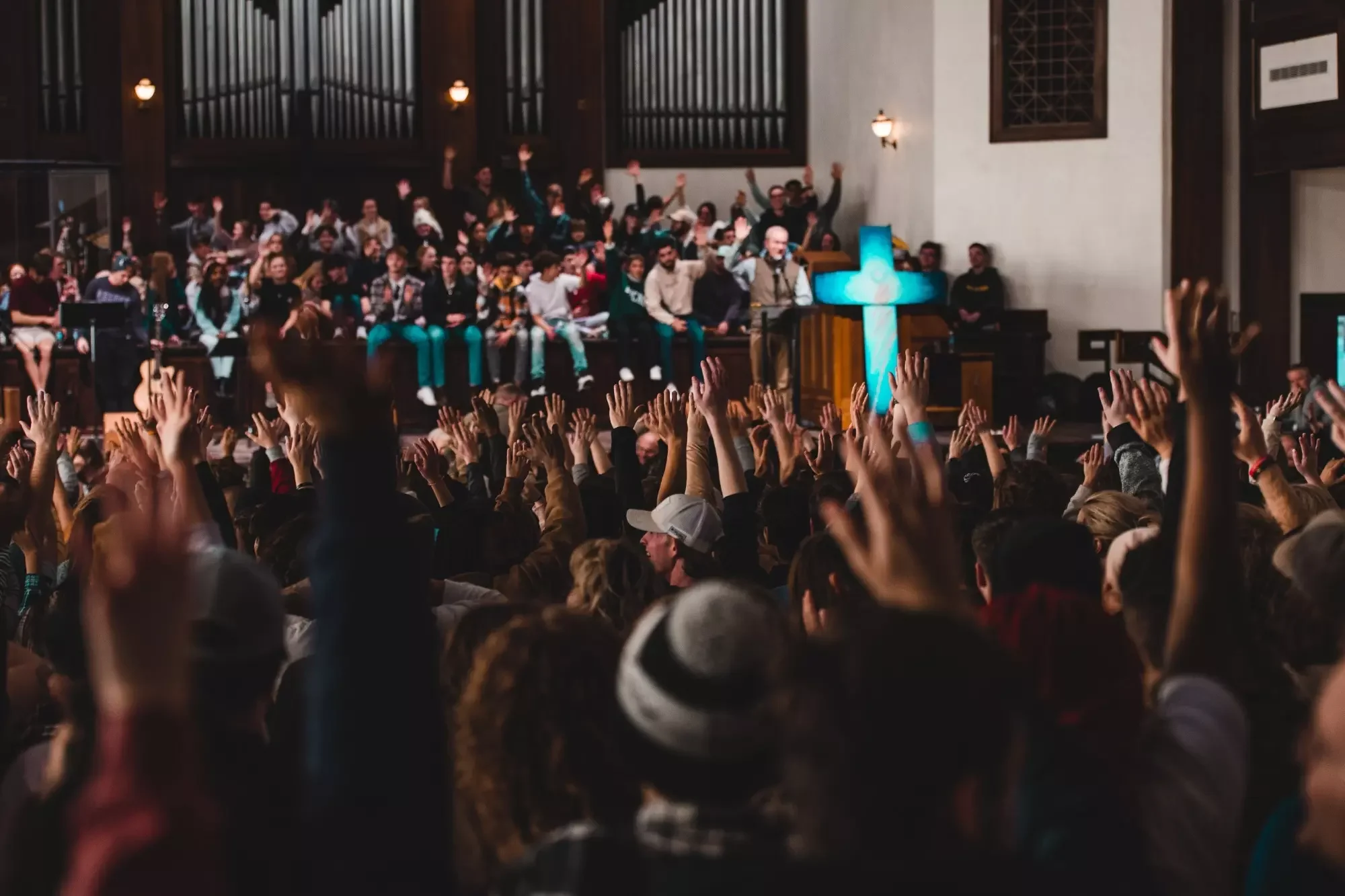
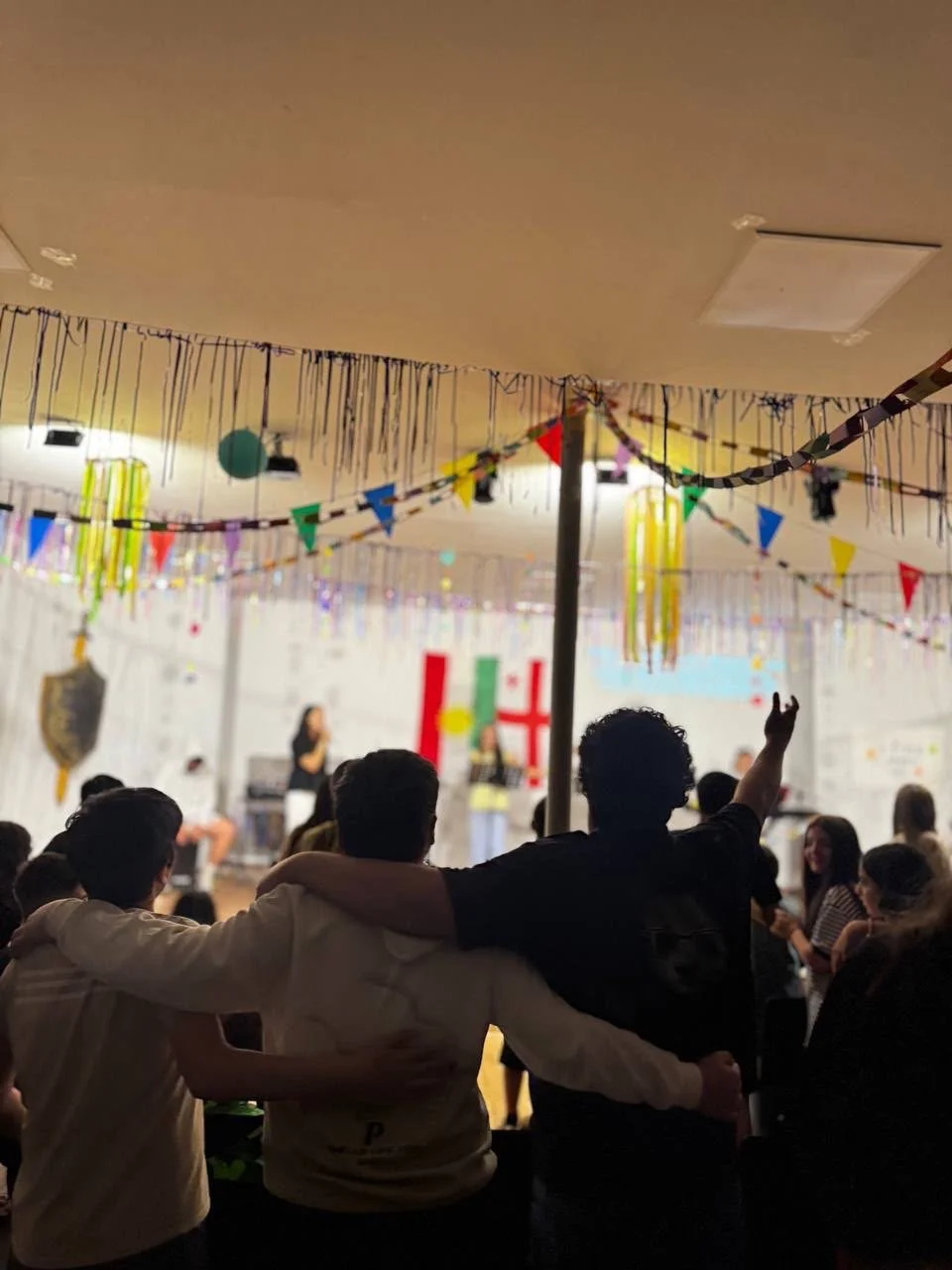
We often pray for revival. We ask God to awaken His Church, renew our hunger for Him, and draw people back to Himself. And there has even been evidence of God doing just that in the past few years here in Wilmore, KY. But there is another question we need to ask: What happens after the encounter?
In a conversation on Edge of the Map: Episode 6, our friend Zach Meerkreebs reflected on something he has seen repeatedly in Scripture and in the Church throughout history: “Encounter leading to mission.”
That connection is easy to see in Isaiah 6. Isaiah encounters the holiness of God, and then hears the question, “Whom shall I send?” His response is simple: “Here am I. Send me.”
The pattern continues throughout the New Testament. Jesus calls His disciples to follow Him, and then sends them. At Pentecost, the Holy Spirit comes upon the Church, and the gospel begins moving outward.
Encounter and mission were never meant to be separated.
That matters because the Church has spent the last several years rightly wrestling with some of the failures of modern missions. We have become more aware of colonial patterns, unhealthy power dynamics, and approaches that sometimes confused Western culture with Christianity. Those conversations are necessary. We should be honest about what has been broken.
But there is a danger on the other side. In our effort to correct unhealthy mission practices, we can slowly lose our conviction about the mission itself.
The answer to broken methods is not less obedience. It is better obedience.
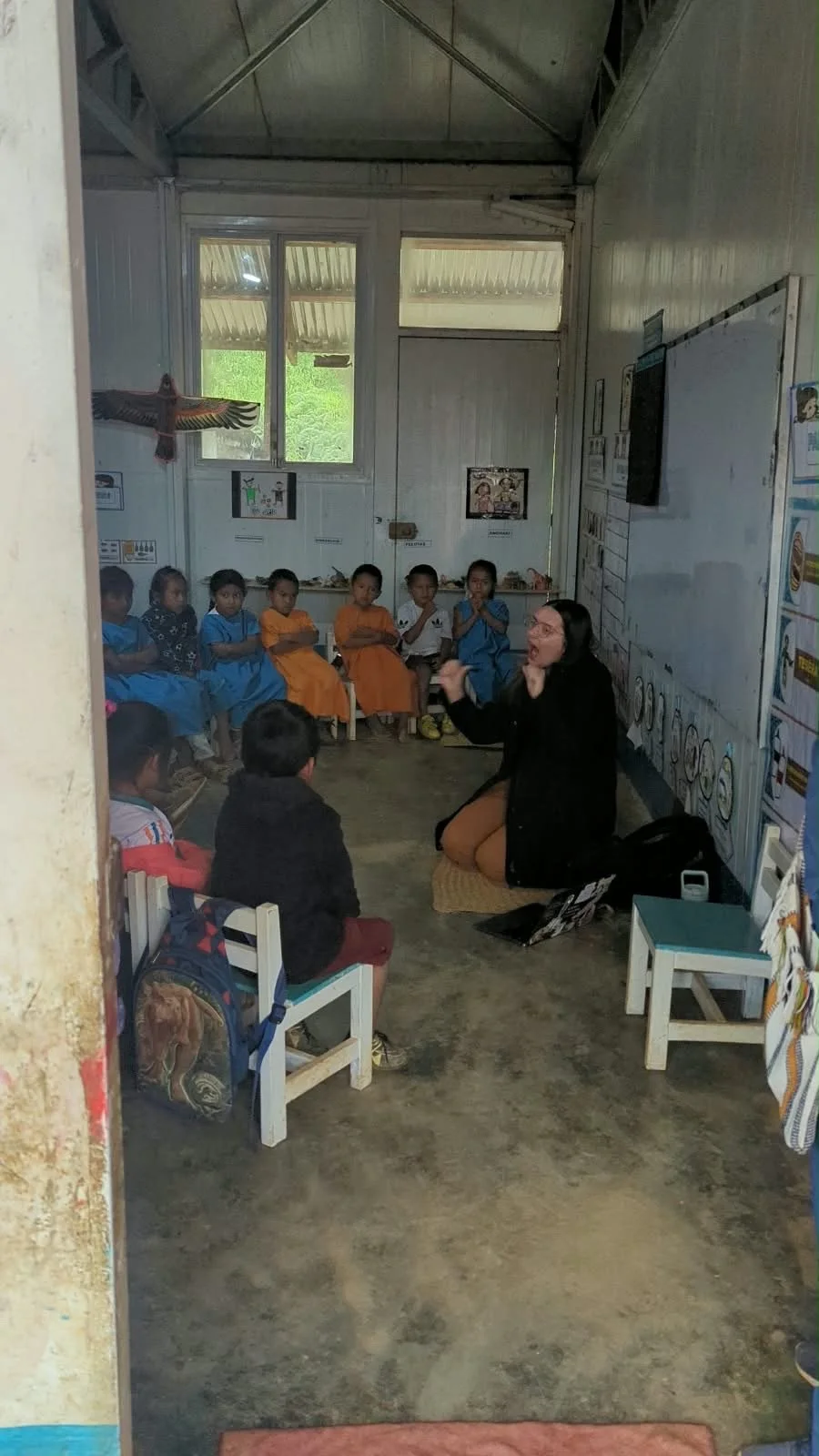
Missions can look different than it did a generation ago. It can be more humble, more relational, and more attentive to local leaders and communities. It can prioritize long-term discipleship over short-term results. It can mean walking with a local pastor for years rather than arriving with a plan and leaving with a report.
But the mission remains.
Zach put it plainly during our conversation: “We’re not running out of lost people, we’re longing for workers.”
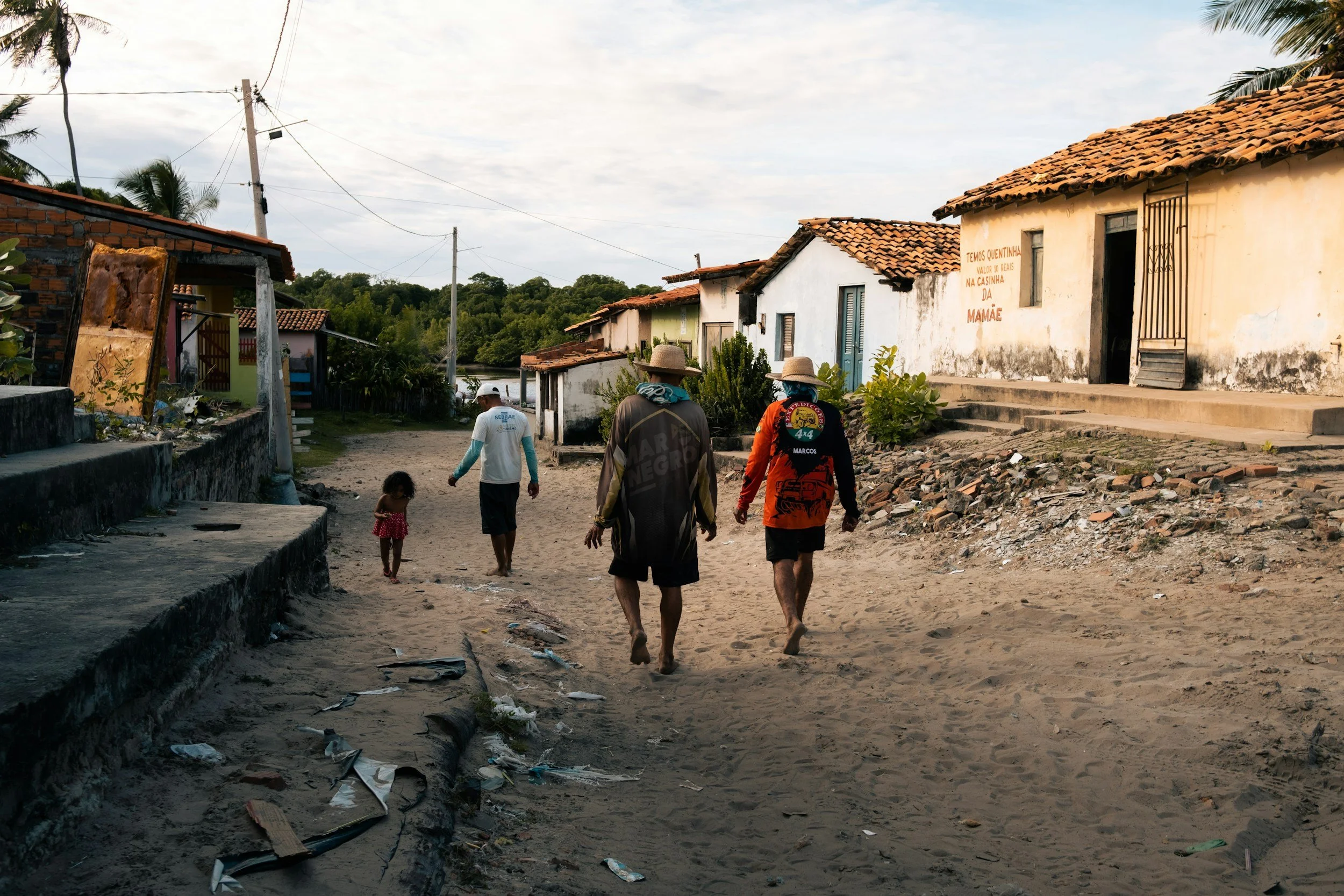
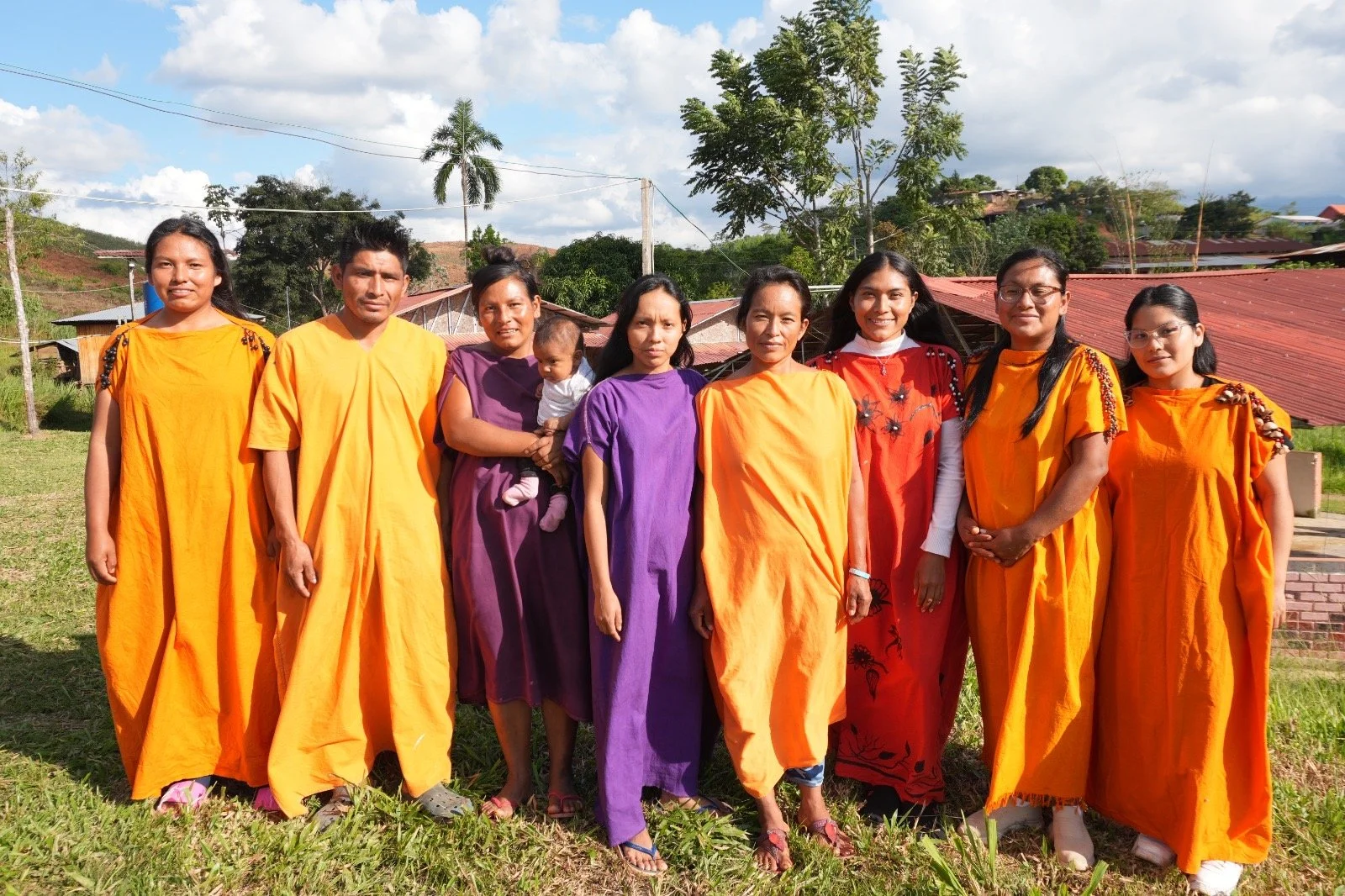
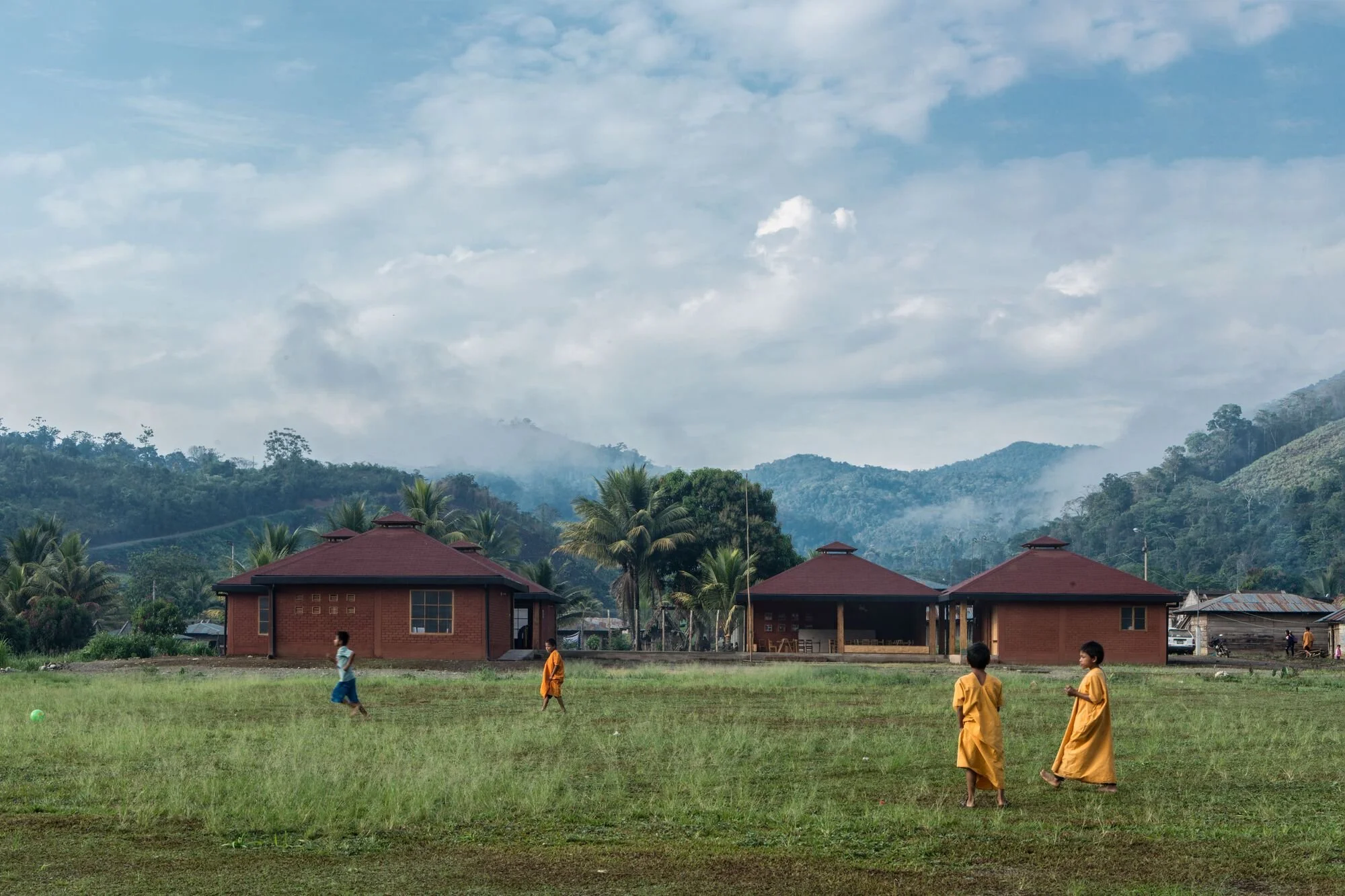
There are still communities where the Church has not taken root. There are still people who have never heard the gospel. There are still local leaders carrying the weight of ministry without the relationships, resources, or encouragement they need.
If God is stirring His Church again, we should expect that stirring to move us toward those places.
This is especially important for a younger generation that has inherited both a deep hunger for authentic faith and a healthy skepticism about the way missions has sometimes been done. They need room to ask hard questions. But they also need older believers who will tell them, “You can go.”
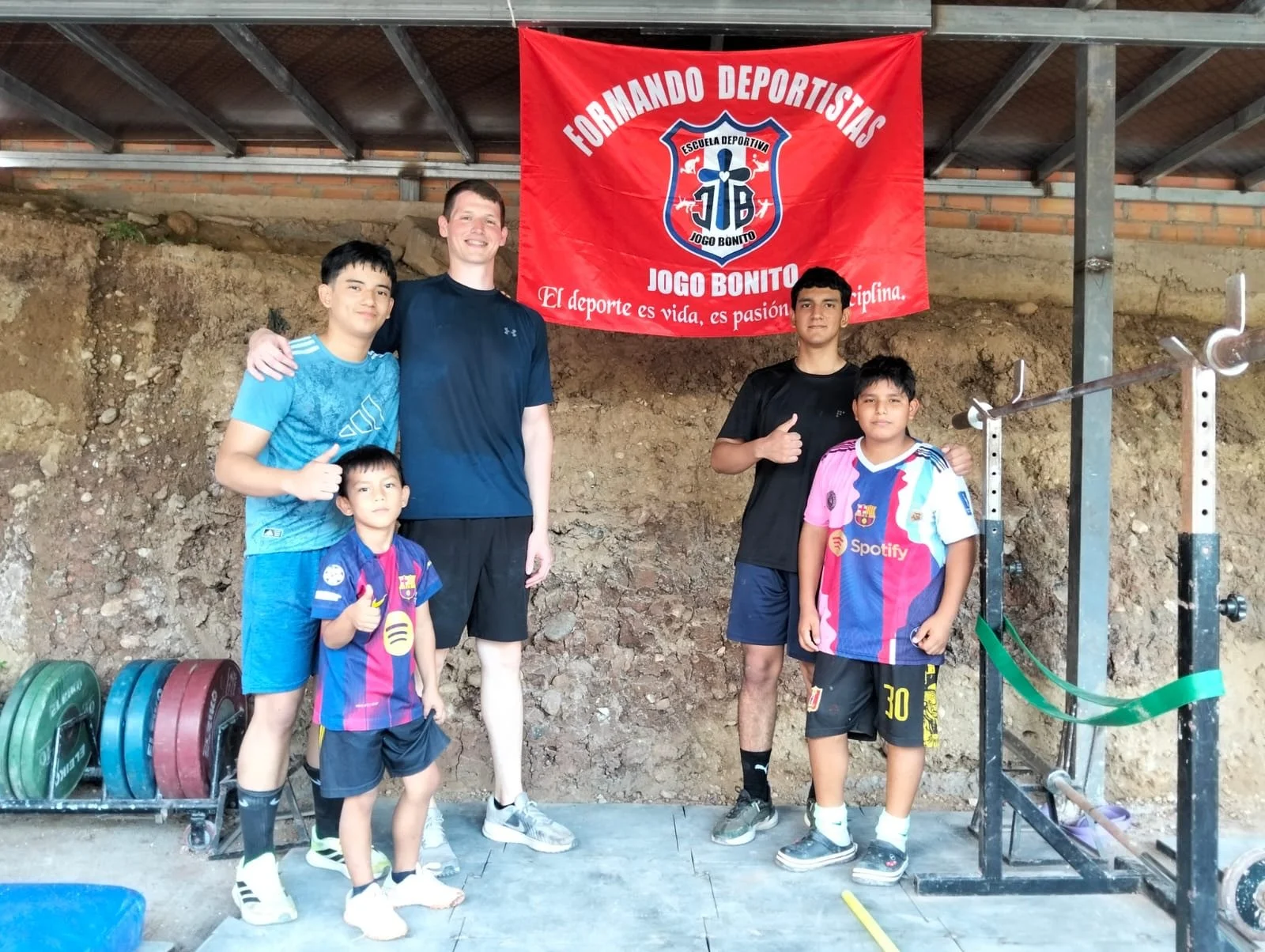
Not everyone will move overseas. Not everyone will become a missionary in the traditional sense. But every follower of Jesus is called to participate in His mission. Some will go. Some will send. Some will use their businesses, churches, resources, professions, and relationships to strengthen the work God is doing around the world.
The important thing is that we don't become spectators.
That also means older generations have an important role to play. Young leaders need more than instruction. They need people willing to walk alongside them, give them opportunities, let them take risks, and stay close when things don't go according to plan.
Zach described it this way: “You need big brothers and fathers… that can say, ‘Hey, you can do it. I’ll play defense for you while you try it.’”
Revival should change what we love. It should widen our vision and deepen our compassion for people we don't know and places we may never have considered.
That kind of discipleship requires humility. Older believers don't have to control the next generation, but neither should they simply step aside. They can make room, offer wisdom, open doors, and stay close enough to help when things get difficult.
Perhaps that is part of what the Church needs in this moment: not simply another generation that knows how to gather, but a generation that knows how to respond when God says go.
Because the mission is still unfinished.
The question isn't simply, “Is God moving?”
Perhaps the better question is, “What will we do when He does?”
If the answer is to worship, then worship. If the answer is to repent, then repent. And if He says, “Go,” may we be ready to say, like Isaiah, “Here I am. Send me.”
Revival should change what we love. It should widen our vision and deepen our compassion for people we don't know and places we may never have considered.
The encounter is not the end of the story.
It may be the beginning of our sending.
Want to explore more about what it means to plant the Church where it isn't? Follow the Edge of the Map podcast with GO International for conversations about the unfinished work of the Great Commission and the people committed to seeing it continue.
Read more from the GO Blog: